In a groundbreaking vision for sustainable development, the Mekong Delta emerges as a potential renewable energy powerhouse, offering Vietnam a strategic pathway to transform its energy landscape with an estimated market potential of $2.2 trillion. This comprehensive analysis reveals how the region's abundant solar, wind, and biomass resources are set to revolutionize the country's approach to green energy and climate resilience.
Renewable energy offers sustainable development pathway for region
The Mekong Delta region of Vietnam stands poised to become a significant renewable energy hub, with the potential to generate over 68,600 MW of onshore wind power and more than 31,500 MW of solar energy by 2035, according to national energy development planning.
At a recent Green Energy Symposium organized by the Netzero Vietnam-Asia Science and Cooperation Center, local officials highlighted the region's substantial renewable energy resources and strategic importance in Vietnam's sustainable development strategy.
Rich renewable resources
Ha Vu Son, Director of Can Tho City's Department of Industry and Trade, emphasized that green energy transition is an inevitable trend and a mandatory requirement to meet international standards while pursuing sustainable development.
The Mekong Delta possesses abundant resources in wind, solar, and biomass energy, which can help ensure national energy security. Recently introduced Decree 135/2024 has also established new incentive policies to encourage renewable energy development in Vietnam.

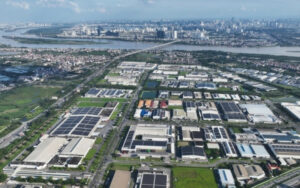
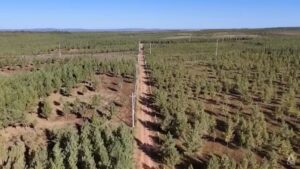
The Mekong Delta possesses abundant wind, solar, and biomass resources.
Growing energy demand
Current energy demands have been increasing by 15% annually over the past decade, with projections indicating a continued average growth of 12% in the coming decade. By 2030, energy requirements are expected to quadruple compared to 2005 levels.
Nguyen Hoang Dung from PECC3's Renewable Energy Department noted that rooftop solar solutions are particularly effective for businesses, enabling self-production and consumption of green energy while reducing operational costs and alleviating pressure on the national electrical grid.
>> See more: Vietnam Faces Challenges and Opportunities in Green Industrial Revolution
Environmental and economic benefits
According to United Nations sources, energy is central to climate challenges. Fossil fuels currently account for over 75% of global greenhouse gas emissions. Transitioning to renewable energy is crucial for reducing carbon emissions and mitigating climate change impacts.
Market potential năng lượng tái tạo
The global renewable energy market is valued at approximately $1.085 trillion in 2024 and is projected to reach $2.271 trillion by 2033, with a compound annual growth rate of 9.47%.
Future ProspectsFuture Prospects
Governmental representatives stress the importance of transparent policies, reduced administrative procedures, and prioritizing collaboration with high-tech enterprises to maximize the Mekong Delta's renewable energy potential.
The region's commitment to green energy development represents a strategic approach to sustainable economic growth and environmental responsibility.
Cre: Cafef