The Ministry of Industry and Trade is finalizing a draft circular on pricing regulations for battery energy storage system (BESS) power generation services, proposing a two-component pricing mechanism to ensure transparency and attract investment in this sector. This initiative is expected to create a clear legal framework for energy storage technology development, playing a crucial role in stabilizing the national power grid.
Two-Component Pricing Mechanism Proposed for Implementation
The Ministry of Industry and Trade is actively building a legal framework for pricing power generation services from battery storage systems.
According to the new draft circular, the proposed pricing mechanism includes two main components. The first component is capacity pricing, calculated based on the readiness level of BESS systems to provide electricity. The second component is energy pricing, determined by the actual electricity output that systems feed into the national grid.
This model is designed similarly to the mechanism applied to pumped-storage hydropower plants, aimed at ensuring transparency and openness in pricing. Simultaneously, this mechanism is expected to support safe power system operations and enhance overall industry efficiency.
Currently, the Ministry of Industry and Trade has issued circulars on power generation pricing frameworks for battery storage systems combined with renewable energy implemented by solar power plant investors. Battery storage systems invested by power companies under EVN, serving as grid control devices, also have regulations on cost recovery methods.
Technical Characteristics Require Separate Pricing Mechanisms
BESS systems have technical features and functions different from traditional power plants.
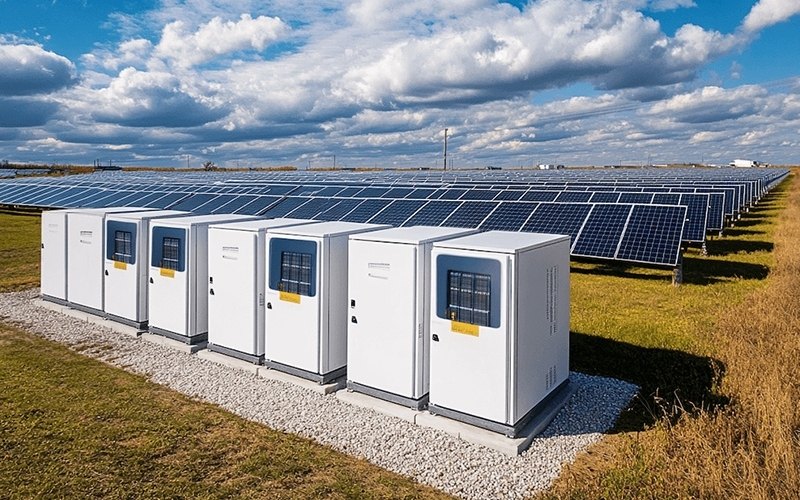
BESS battery storage operates through charging and discharging mechanisms to supply the grid when needed, playing an important role in load balancing and maintaining overall power system stability. Due to these characteristics, the Ministry of Industry and Trade believes that concentrated BESS projects need separate electricity pricing mechanisms appropriate to the nature of this technology.
According to the management agency's perspective, establishing electricity pricing mechanisms will serve as market signals to attract investors to participate in the energy storage sector. The new regulations aim not only to ensure transparent and open electricity pricing mechanisms but also to comply with current legal regulations, creating favorable conditions for investment mobilization.
Strategic Role in Energy Transformation
Battery storage is increasingly becoming an indispensable element in the context of rapidly growing renewable energy proportions.
This technology plays a crucial role in balancing electricity supply and demand, minimizing supply interruptions, supporting grid dispatch operations, and contributing to reducing overall system operating costs. Particularly, when renewable energy sources like solar and wind power have unstable characteristics, battery storage systems will serve as an important "buffer."
According to the adjusted Power Plan VIII, concentrated solar power projects must install battery storage systems with minimum capacity equal to 10% of plant capacity, capable of storing electricity for 2 hours. The plan also sets ambitious targets with battery storage capacity expected to reach 10,000-16,300 MW by 2030 and exceed 95,000 MW by 2050.
Completing the legal framework for battery storage systems not only contributes to promoting green technology development but also ensures national energy security in the context of the ongoing global energy transition.